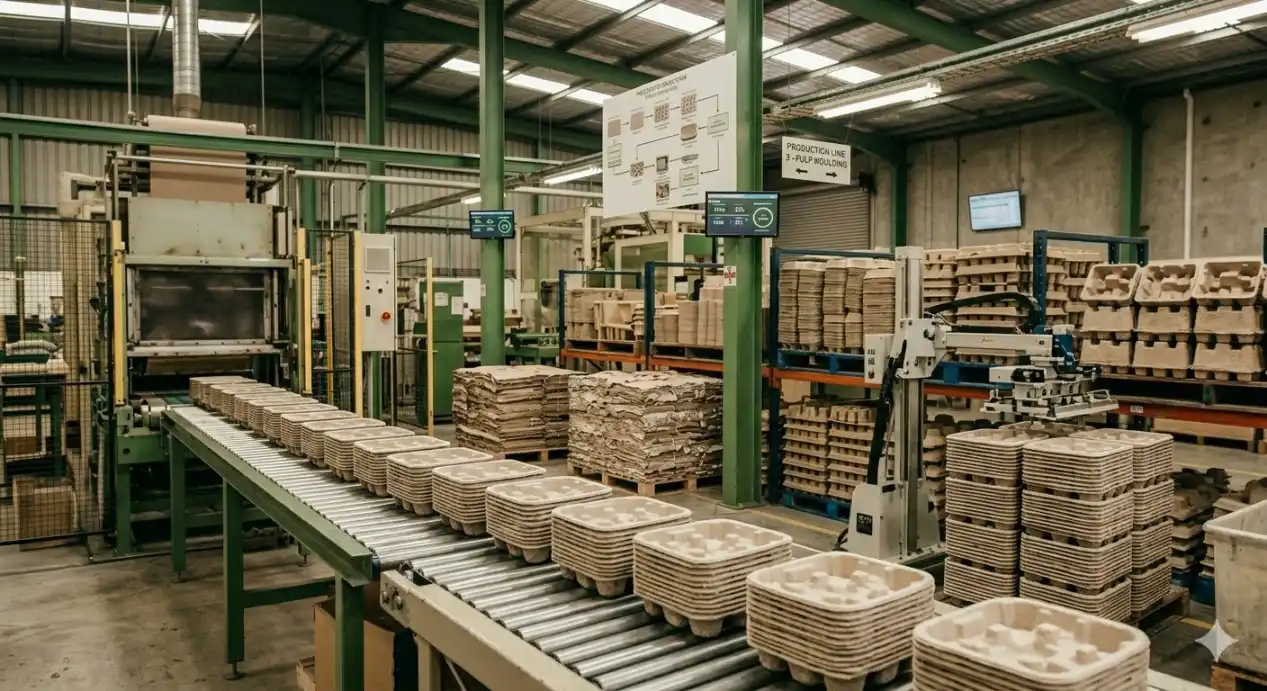
Title: Why Molded Pulp is the Future of Sustainable Packaging
In an era where consumers are increasingly eco-conscious, businesses are under immense pressure to reduce their carbon footprint. Enter molded pulp packaging—the unsung hero of the green revolution. Once associated only with egg cartons, this innovative material is redefining how we think about product protection.
What is Molded Pulp?
Molded pulp (or molded fiber) is a packaging material typically made from recycled paperboard, newspapers, or natural fibers like sugarcane bagasse, bamboo, and wheat straw. It is 100% biodegradable, compostable, and recyclable.
Why It’s a Game-Changer for the Planet
Zero Waste: Unlike plastic, which takes hundreds of years to decompose, molded pulp breaks down naturally within a few weeks without leaving toxic residues.
Circular Economy: It utilizes post-consumer waste, giving old newspapers and cardboard boxes a second life, thus reducing landfill waste.
Lower Carbon Footprint: The manufacturing process of molded fiber is highly energy-efficient and consumes significantly less water compared to traditional plastic manufacturing.
The Bottom Line
Switching to molded pulp isn't just an environmental statement; it’s a smart business move. As governments tighten regulations on single-use plastics, adopting molded pulp packaging ensures your brand stays ahead of the curve while winning the loyalty of eco-minded consumers.
